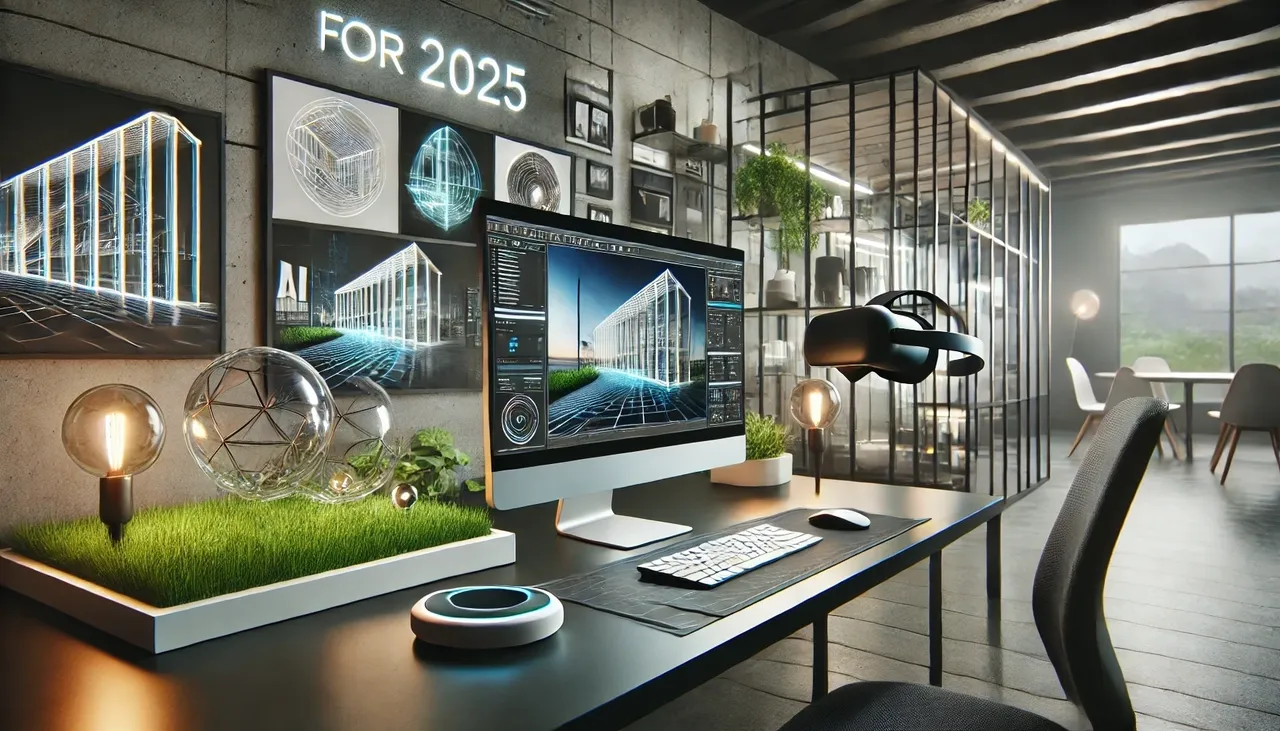
Emerging 3D Rendering Trends and Innovations to Watch in 2025
As 3D rendering technology evolves, staying informed about the latest trends is essential for professionals and businesses looking to remain competitive. In 2025, the industry is set to embrace groundbreaking advancements that promise to revolutionize workflows and redefine creativity. Below are the top five trends and innovations to watch in 3D rendering this year.
1. AI-Driven Rendering: Efficiency Meets Creativity
Artificial Intelligence (AI) is becoming a cornerstone of 3D rendering. In 2025, AI-driven tools are expected to deliver faster rendering, automate repetitive tasks, and enhance creativity. These advancements will help professionals focus on artistic vision while leaving technical complexities to intelligent algorithms.
Key advancements include:
AI texture generation: Automatically create high-quality textures from simple inputs.
Smart rendering assistants: AI tools that refine lighting, shadows, and materials with minimal input.
Automated workflows: Streamlined processes for faster project delivery.
Why it matters: AI reduces rendering times and empowers artists to create photorealistic and stylized visuals efficiently.
Keywords: AI in 3D rendering, automated rendering tools, smart rendering technology.
2. Real-Time Rendering: Instant Visuals for Immersive Experiences
The demand for interactive and immersive visuals is driving the growth of real-time rendering. Industries like gaming, real estate, and virtual reality (VR) are benefiting from advancements in rendering engines like Unreal Engine and Unity.
Notable developments in 2025:
Enhanced ray tracing: Real-time reflections and lighting simulations are becoming indistinguishable from pre-rendered visuals.
Interactive VR/AR applications: Real-time rendering enables dynamic user experiences for design and marketing.
Cloud-based real-time rendering: Seamless collaboration for distributed teams.
Why it matters: Real-time rendering is transforming how clients and end-users interact with digital content, making it more engaging and lifelike.
Keywords: real-time rendering 2025, ray tracing technology, VR rendering trends.
3. Cloud Rendering: Power Without Boundaries
As projects grow in complexity, cloud rendering is becoming a vital tool for professionals. By leveraging powerful remote servers, teams can handle resource-intensive tasks without expensive local hardware.
Key benefits include:
Scalability: Scale up processing power for large projects as needed.
Collaboration: Share and edit projects in real-time across multiple locations.
Cost-effectiveness: Pay-per-use models reduce upfront investments.
Why it matters: Cloud rendering makes high-quality rendering accessible to small studios, freelancers, and large-scale operations alike.
Keywords: cloud-based rendering, scalable rendering solutions, remote 3D workflows.
4. Photorealism Enhanced by Advanced Materials and Lighting
The quest for photorealism continues to push the boundaries of what 3D rendering can achieve. In 2025, innovations in material realism and lighting simulations are taking renderings closer to reality.
Emerging technologies include:
Advanced material creation: AI tools that mimic real-world surfaces with unparalleled accuracy.
HDRI advancements: More detailed lighting environments for immersive scenes.
Improved skin rendering: Realistic human textures and subsurface scattering for organic models.
Why it matters: Photorealism is critical for industries like architecture, real estate, and product design, where visuals need to convey authenticity.
Keywords: photorealistic rendering advancements, realistic materials, HDRI lighting.
5. Sustainability in Rendering: Green Practices for a Better Future
Sustainability is becoming a focal point for many industries, including 3D rendering. In 2025, eco-friendly workflows and energy-efficient processes are taking center stage.
Sustainable innovations include:
Virtual prototypes: Reduce the need for physical models, cutting waste.
Energy-efficient rendering engines: Lower carbon footprints during production.
Reusable digital assets: Create modular libraries to minimize redundant work.
Why it matters: Sustainable practices not only benefit the planet but also appeal to clients and industries prioritizing environmental responsibility.
Keywords: sustainable rendering, eco-friendly 3D practices, green visualization solutions.
Conclusion: Shaping the Future of 3D Rendering
The trends shaping 3D rendering in 2025 highlight the intersection of technology, creativity, and sustainability. Whether you're an architect, designer, or business owner, adopting these advancements will help you stay ahead of the competition and deliver exceptional results.
Looking for high-quality rendering services? At Merit Renderers we specializes in cutting-edge 3D visualization tailored to your needs. Contact us today to bring your vision to life.
Keywords: 3D rendering trends 2025, AI-powered rendering, real-time visualization, sustainable 3D rendering, photorealistic techniques.